
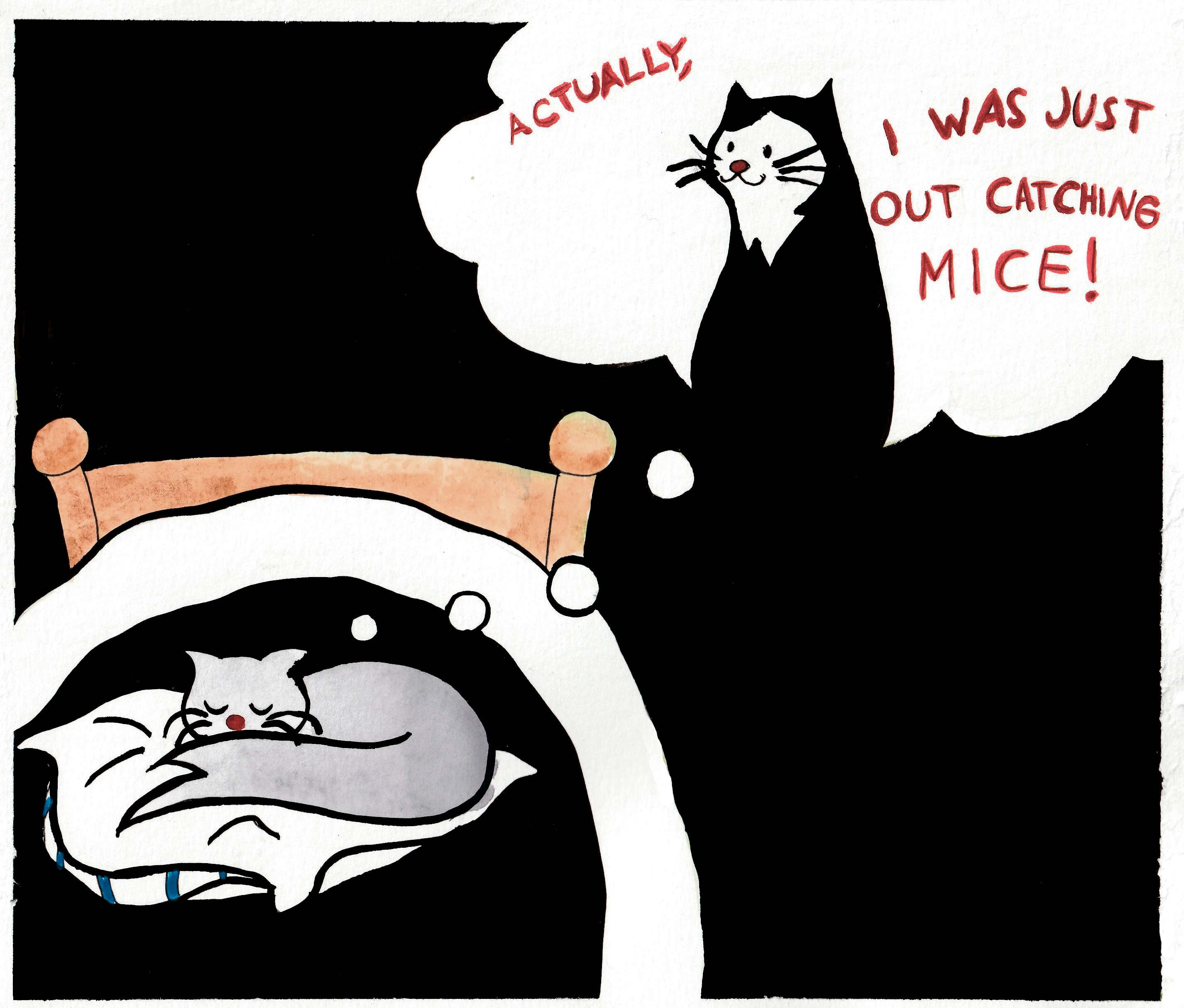
Someone you consider a close friend all of a sudden doesn't reach out as much as they used to; or they're always busy when you reach out to them; or an Instagram story reveals them having the time of their life with another pal on a spontaneous weekend trip to Spain. And you don't understand what is happening. You thought this person was your ride or die.
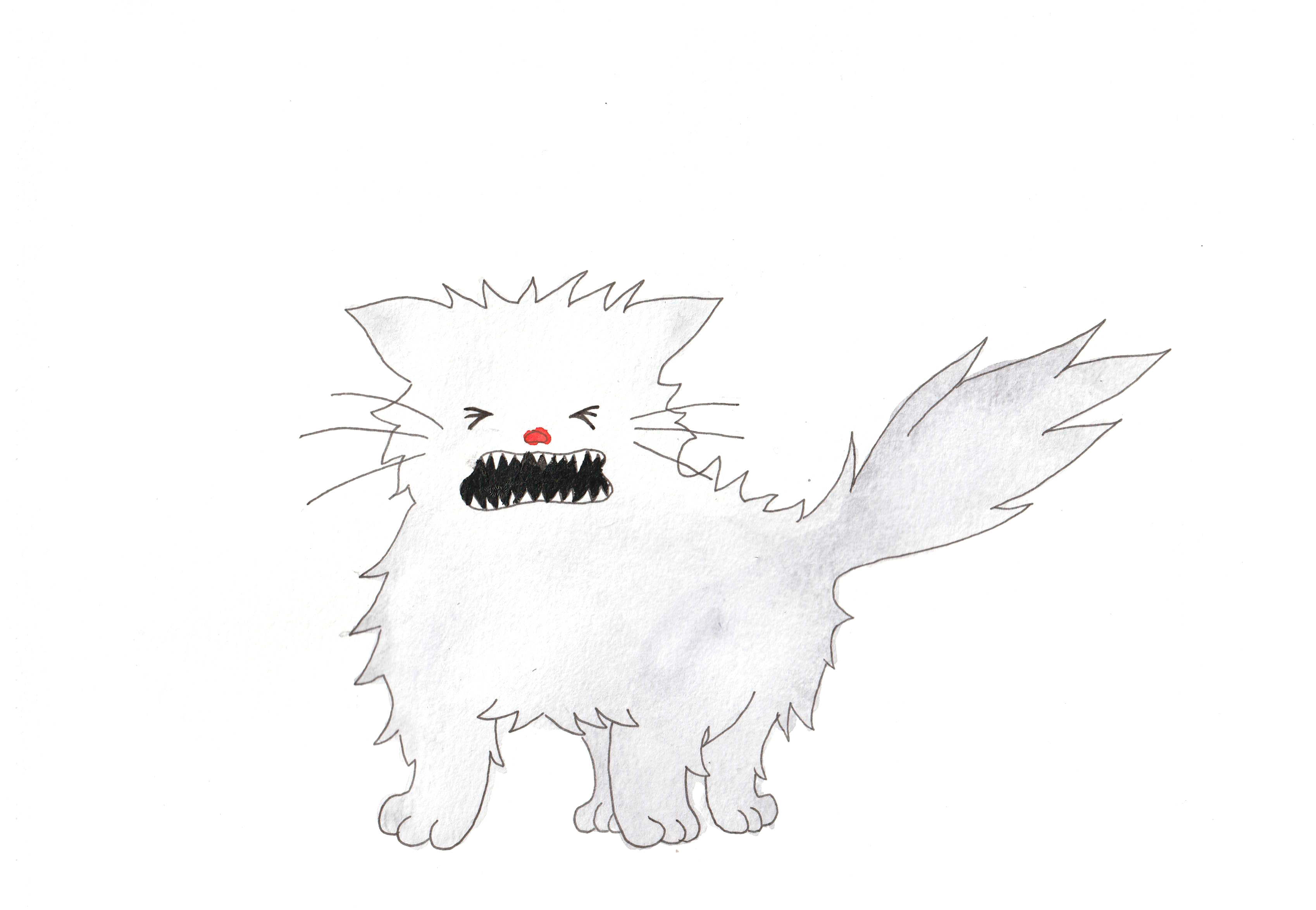
At first it hurts. You might think that the other person deliberately wants to hurt you through their actions, that they don't like you anymore, or that they have found someone cooler than you to be BFFs with. You might feel a bit like they're embarrassing you; making you feel insecure, desperate or overbearing, all because you're still down to hang. You might even get really mad. How dare they?
"I hate you," Leo growls. "I am all by myself, and that is your fault. I hate you."
But after a while, you hopefully realize that the sudden distance is not out of spite. Most likely, it's simply due to the fact that your friend is their own person with their own interests, hobbies and priorities. They have their their own life. And while you can be a part of it, you shouldn't expect to be all of it (and neither should they toward you!)
Most adults know all of this - rationally, anyway. But we still get confused, and hurt, and often spend more time than we should stressing out over such situations. Alas - we really should know better, but it turns out we don't. When the situation arises, many of us react instinctively instead of reaching for our inner library and our mental toolbox.
Which brings me to my point:
Children experience all of these big, confusing feelings for the first time, and have little to no reference material as to how they can choose to act rather than react. And that is why, in my opinion, it is so important that we as adults do our best both to serve as good role models (because we all know children tend to mirror us); and to actively try to find ways to show the children examples of this.
I want to put emphasis on what I mentioned earlier; that even an experienced, otherwise mostly calm and collected adult can get caught up in situations like this, because they react instinctively based on their feelings. Or they have a hard time communicating an issue they have, or explaining why they're sad, mad or annoyed, because feelings don't always come together with the right words. (Please think about that the next time you find yourself getting frustrated that your toddler has a completely irrational reaction to their stuffed animal having gotten wet because they dipped it in a glass of milk.)
But - we do know that practice makes perfect - or at least a little bit better!
Take it from me; at the age of twenty-seven I've recently learned how to drop from a skate ramp, having never skated before in my life. Shoutout to twelve-year-old me, who at that age thought the skateboarding train had already left the station.
However, I don't think I'll ever skate as naturally as one of those fearless kids who appear to have been born with a skateboard already glued to their tiny feet. You know which ones I mean: Those who must have wheeled through their entire childhood, and who at this point seemingly don't even notice that the board is there under their feet.
(You might not have noticed, but I tried to create a metaphor here.)
In conclusion:
All you who have children in your lives - take the time to talk to them about these big feelings. Teach them to set boundaries for themselves while also respecting others; help them become aware of the fact that other people most often are not exactly like themselves, and help them navigate the process of understanding and acknowledging their own wants and needs.
And hopefully, you'll read my book together with them, and encourage them to share their thoughts with you as you both journey through this strange world together with Leo and his friends.